Build durable skills authentically.
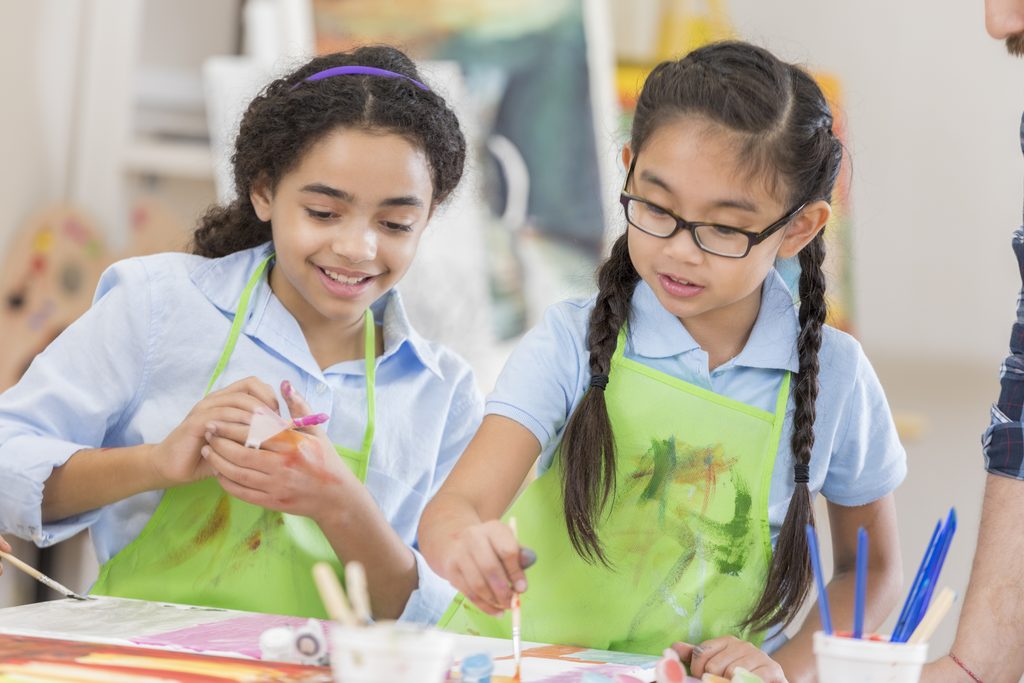
Through our K-8 curriculum young people step into real roles and engage with authentic challenges that build skills for school, work, and life—with necessary academics embedded.
Experiential by design.
Young people step into immersive modules that draw them in and inspire them to return.
They become engineers, investigators, advisers, and entrepreneurs. Every mission gives them a real decision to make, and a reason to read, calculate, write, and speak.
10
modules to choose from
3
grade-bands
K-2, 3-5, 6-8
45 min
lessons
75%
hands-on, student-led time
Ten skills young people
carry forward.
Each module in the curriculum centers on a core durable skill—chosen because students need it and future pathways reward it.
Communicate ideas clearly and persuasively, using relevant reasons and evidence, adapting to an audience, and listening and responding to deepen the exchange.
Take responsibility for a contribution and help others work toward a shared goal by coordinating roles, building understanding, exchanging feedback, and resolving disagreements.
Understand a problem and its causes, weigh possible solutions against goals and constraints, and use testing and evidence to improve results and evaluate wider effects.
Evaluate information and AI output, protect privacy, and recognize how technology influences choices—using human judgment to decide what to trust, share, or act on.
Manage earning, spending, and saving around needs and goals, weighing available resources, borrowing obligations, potential growth, and risk to make informed decisions over time.
Care for physical, emotional, and social well-being by responding to personal needs, developing healthy habits, evaluating health information, and advocating for boundaries and appropriate support.
Explore alternative ideas and perspectives, question assumptions, and revise thinking as evidence or conditions change, adapting prior learning to unfamiliar situations and uncertainty.
Turn intentions into purposeful action by regulating attention and emotions, organizing priorities, monitoring progress, and adjusting routines and surroundings to support effective work.
Sustain effort and follow through on worthwhile commitments, recovering from setbacks and using evidence to judge when to continue, change approach, or end a pursuit.
Recognize unmet needs and turn helpful ideas into action, learning from intended users and testing what works to guide improvements and the use of limited resources.
Module progression
4 phases shape each 4-7 week module.
Phase 1 · LESSONS 1–5
Discover
Build one foundational subskill through models and varied practice.
Phase 2 · LESSONS 6–10
Develop
Keep that foundation active while adding a connected subskill.
Phase 3 · LESSONS 11–15
Deepen
Often add a third subskill, then combine learning under new constraints, ambiguity, or setbacks.
Phase 4 · LESSONS 16–20
Demonstrate
Use the subskills together in an authentic culminating mission.
Developed for learning
beyond school.
Our signature elements make this curriculum unlike any other enrichment program.
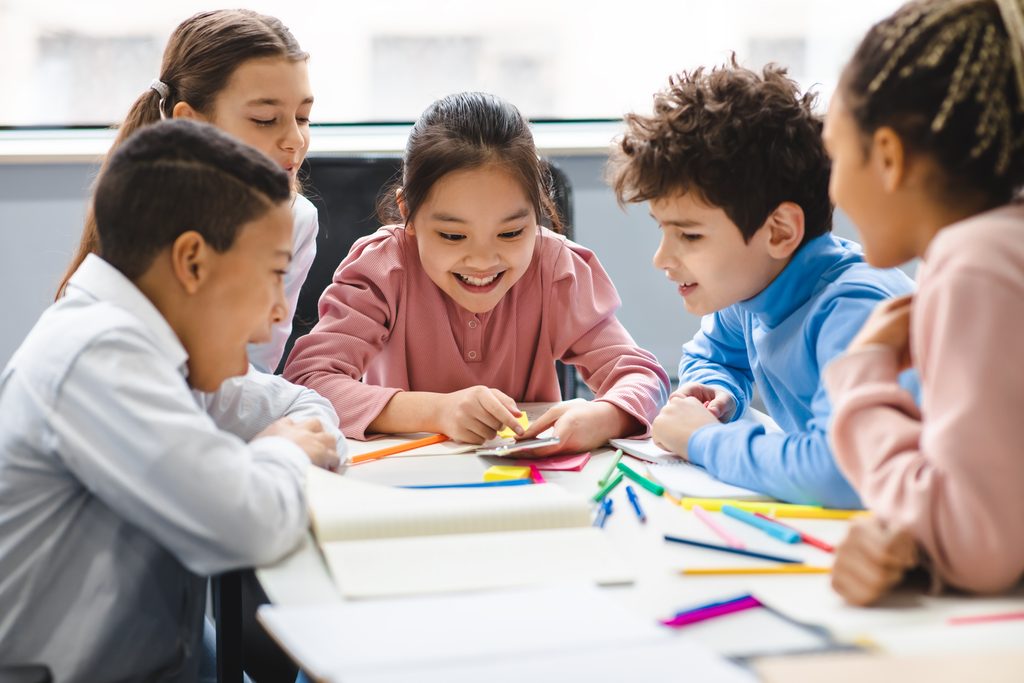
Students engage in immersive, world-building experiences where they tackle authentic challenges and solve real-life problems as advisers, investigators, designers, advocates, entrepreneurs, and team leaders.
Literacy and math are integrated within lessons as students develop durable skills.
Students present, create, decide, solve, or deliver work that shows the skill in action.
Various modules introduce students to careers in healthcare, finance, technology, journalism, and more, connecting durable skills to future possibilities.
The design allows students to participate meaningfully even with variable schedules. Each module still follows a developmental arc that builds skills over time.
Predictable structures, ready-to-use materials, limited preparation, and clear guidance support facilitators of all experience levels.
Students choose approaches, develop positions, make decisions, and shape final products within clear structure.
Grounded in research. Built for practice.
Our ten durable skills reflect what employers, college and career readiness frameworks, and state Portraits of a Graduate consistently call for. Child-development research and learning standards shaped how each skill develops from K–8.
Frameworks we draw on
26 states
have a Portrait of a Graduate.
Our curriculum makes it teachable and visible in K–8.